
Embracing Dark Colors in Small Spaces for a Cozy Aesthetic

Small spaces often come with a challenge: how to make them feel inviting without overwhelming the room. Many people shy away from dark colors in compact areas, fearing they will make the space feel cramped or gloomy. Yet, when used thoughtfully, dark tones can transform a small room into a warm, stylish retreat that feels both intimate and sophisticated.
This post explores why going dark in a small space can be a smart design choice. It offers practical tips and examples to help you embrace deep hues and create a cozy atmosphere that maximizes your room’s potential.

Why Dark Colors Work in Small Spaces
Dark colors absorb light rather than reflect it, which might seem counterintuitive for small rooms. However, this absorption can create a sense of depth and enclosure that feels comforting rather than confining. Here’s why dark colors can be effective:
Create a cocoon-like atmosphere: Dark walls can make a room feel like a private sanctuary, perfect for relaxation.
Add drama and sophistication: Deep hues bring richness and elegance that light colors sometimes lack.
Highlight architectural features: Dark backgrounds can make moldings, trims, or artwork stand out more vividly.
Balance with lighting: When paired with good lighting, dark colors prevent the space from feeling too closed in.
For example, a small bedroom painted in charcoal gray with soft bedside lamps can feel like a luxurious retreat rather than a cramped box.
Choosing the Right Dark Shades
Not all dark colors behave the same way in small spaces. Some shades can make a room feel heavier, while others add warmth and depth. Consider these options:
Navy blue: A classic choice that adds calmness and pairs well with natural wood or brass accents.
Charcoal gray: Neutral and versatile, it works well with both modern and traditional decor.
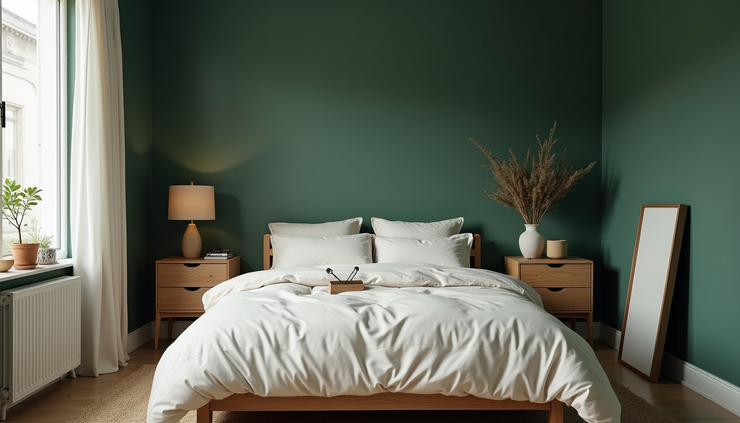
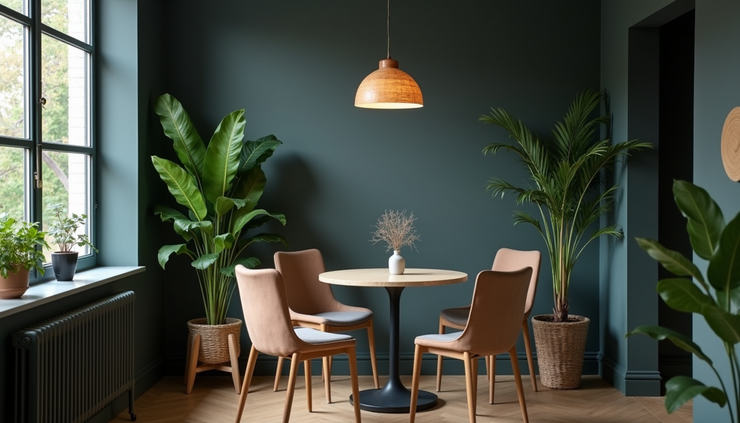
Forest green: Brings a touch of nature indoors and pairs beautifully with plants and natural textures.
Deep burgundy or wine: Adds warmth and a hint of luxury, especially in rooms with good natural light.
Test paint samples on your walls and observe them at different times of day. Light conditions can change how a color looks dramatically.
Balancing Dark Walls with Light Elements
To prevent dark colors from overwhelming a small space, balance them with lighter or reflective elements:
Use light-colored furniture: White, cream, or light wood furniture contrasts beautifully with dark walls.
Add metallic accents: Gold, brass, or chrome fixtures and decor add sparkle and break up the darkness.
Incorporate mirrors: Mirrors reflect light and create the illusion of more space.
Use textiles wisely: Light-colored rugs, cushions, and curtains soften the room and add texture.
For instance, a small dining nook with black walls can feel open and inviting when paired with a white table, gold pendant light, and a large mirror.
Lighting Strategies for Dark Small Spaces
Lighting plays a crucial role in making dark colors work well in small rooms. Here are some tips:
Layer your lighting: Combine overhead lights, task lighting, and ambient lamps to create a balanced glow.
Use warm bulbs: Warm light complements dark colors and enhances the cozy feel.
Highlight features: Use spotlights or wall sconces to draw attention to artwork or architectural details.
Maximize natural light: Keep window treatments minimal or sheer to let in as much daylight as possible.
A small home office with dark walls can feel energizing and focused when illuminated with a combination of desk lamps and overhead lighting.
Decorating Tips to Enhance Dark Small Spaces
Beyond paint and lighting, your decor choices can enhance the cozy vibe of a dark small space:
Choose minimalist furniture: Avoid bulky pieces that crowd the room. Opt for sleek, functional designs.
Add plants: Greenery contrasts nicely with dark walls and brings life to the space.
Use art and accessories: Select pieces with bright colors or metallic finishes to add interest.
Keep clutter minimal: Dark spaces can feel heavy if cluttered, so maintain tidy surfaces.
For example, a small reading nook with dark walls, a slim armchair, a brass floor lamp, and a few plants can feel inviting and stylish.
Final Thoughts on Using Dark Colors in Small Spaces
Dark colors in small spaces offer a unique way to create warmth, depth, and personality. When combined with thoughtful lighting, balanced furnishings, and careful decor choices, they can turn a compact room into a cozy haven. Don’t hesitate to experiment with deep hues and see how they transform your space.


Comments