
Interior Paint Colors

Choosing the right wall color to complement your flooring can transform a room from ordinary to extraordinary. Many homeowners and clients often ask, "What color should I paint my walls when I have dark, light, hardwood, or tile floors?" This question is common because the flooring sets the foundation for the room’s overall look and feel. Understanding how wall colors interact with different flooring types helps you create the mood and style you want, whether it’s calm and relaxing or bold and dramatic.
This guide will help you navigate the choices by exploring how wall colors work with various floor colors and materials. You’ll also get insight into how designers think about color and mood, especially in spaces like the master bedroom, where atmosphere matters most.

Understanding Mood and Tone in Wall Colors
Before picking a color, think about the mood you want to create. Wall color sets the emotional tone of a room. For example:
Relaxing and calm: Soft blues, creams, and light grays
Romantic and cozy: Warm plums, lavenders, and muted reds
Dramatic and bold: Deep blacks, rich reds, or strong contrasts like black and white
Bright and energetic: Yellows, oranges, and fresh greens
Your flooring color influences how these moods come across. Dark floors often pair well with lighter walls to balance the space, while light floors can handle darker or more saturated wall colors. But these are guidelines, not rules. Sometimes, pairing dark floors with dark walls creates a luxurious, intimate feel.
Wall Colors for Dark Flooring
Dark floors, such as deep hardwoods or dark tiles, create a strong base. To avoid making the room feel heavy, lighter wall colors usually work best. Here are some options:
Grays: Light to medium grays soften the contrast and add a modern touch.
Creams and Browns: Warm creams or soft browns bring warmth without overpowering.
Soft Blues: Light blues add calmness and pair beautifully with dark wood.
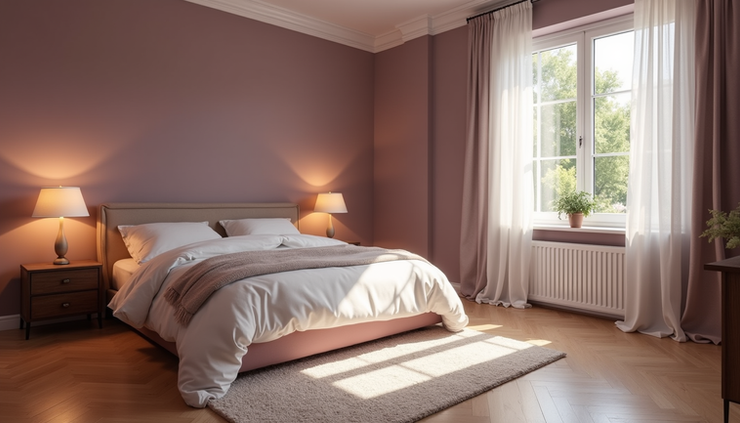
Lavenders and Purples: Muted plums and lavenders add a romantic vibe.
If you want drama, consider a dark wall color that complements the floor’s tone, like a deep plum or charcoal gray. This works well in larger rooms or spaces where you want a cozy, enveloping feel.
Wall Colors for Light Flooring
Light floors, such as pale hardwood or light tile, open up many possibilities. Darker or more saturated wall colors can add contrast and depth:
Deep Blues: Navy or slate blue walls create a striking contrast.
Black and White: Crisp white walls with black accents or vice versa add a modern edge.
Reds and Warm Accents: Rich reds or terracotta tones bring warmth and energy.
Greens: Soft sage or deeper forest greens add freshness and nature-inspired calm.
Light floors also allow for playful color choices like yellows and oranges, which brighten the space and add cheerfulness.

Matching Wall Colors with Hardwood Floors
Hardwood floors vary widely in tone, from pale oak to rich mahogany. Here’s how to think about wall colors based on hardwood tones:
Dark Hardwood: Use lighter walls like soft grays, creams, or muted blues to balance the richness.
Medium Hardwood: Neutral walls like warm taupe, soft white, or gentle greens work well.
Light Hardwood: Darker walls such as navy, charcoal, or even deep plum create contrast and interest.
Remember, the finish and undertone of your hardwood matter. Warm-toned wood pairs nicely with warm wall colors, while cool-toned wood looks great with cooler wall shades.
Wall Colors for Tile Flooring
Tile flooring often comes in a variety of colors and patterns, so wall color choices depend on the tile style:
Neutral Tiles: Beige, gray, or white tiles allow for bolder wall colors like reds, blues, or greens.
Patterned or Colored Tiles: Choose wall colors that pick up one of the tile’s hues or go with a neutral wall to avoid clashing.
Dark Tiles: Light walls like cream or soft gray keep the room feeling open.
Light Tiles: Darker walls add depth and sophistication.
Tile floors in kitchens and bathrooms often benefit from clean, fresh wall colors such as whites, soft blues, or light greens.
Examples of Wall Color Families and Their Effects
Here are some popular wall color families and how they can work with different flooring types:
A. Grays
Light gray walls soften dark floors and add a modern feel.
Medium grays can work with medium-toned floors for a balanced look.
Cool grays pair well with cool-toned floors like ash or gray-stained wood.
B. Plums, Purples & Lavenders
Muted plums add romance to dark floors.
Lavender works well with light floors for a soft, airy feel.
Deep purple walls create drama with light or medium floors.
C. Black or Black and White
Black walls with light floors create a bold, modern statement.
White walls with dark floors offer classic contrast.
Black and white combinations suit minimalist or contemporary styles.
D. Reds and Red Accents
Warm reds add energy and warmth to neutral or light floors.
Deep reds work well with dark floors for a cozy atmosphere.
Use red accents if you prefer a subtle touch rather than full walls.
E. Creams and Browns
Cream walls brighten dark floors and add warmth.
Soft browns complement medium wood tones.
Beige or tan walls create a neutral backdrop for any floor.
F. Blues Deep and Soft
Soft blues calm rooms with dark floors.
Deep navy walls contrast beautifully with light floors.
Blue-gray tones work well with cool wood floors.
G. Yellows and Oranges
Soft yellows brighten rooms with dark floors.
Warm oranges add cheerfulness to neutral or light floors.
Use these colors in smaller doses if you want to avoid overwhelming the space.
H. Greens
Sage green walls pair well with medium and light floors.
Deep forest green adds drama with light floors.
Soft mint or pale green creates a fresh, relaxing vibe.
Final Thoughts on Choosing Wall Colors with Flooring
Choosing the right wall color depends on the mood you want and the flooring you have. Dark floors usually benefit from lighter walls, but don’t be afraid to experiment with darker tones for drama. Light floors open up options for deeper, richer colors that add contrast and personality.
Remember, paint colors vary by brand and lighting, so always test samples in your space before committing. Sherwin Williams is a reliable brand with a wide range of shades and easy-to-find samples.
Ultimately, your wall color should tell the story you want for each room. Whether it’s a romantic master bedroom or a lively living area, the right color paired with your flooring will create a space you love.


Comments