
Creating Functional and Aesthetically Appealing Spaces in Your Home
- Trish Whitsell

- Apr 24
- 3 min read
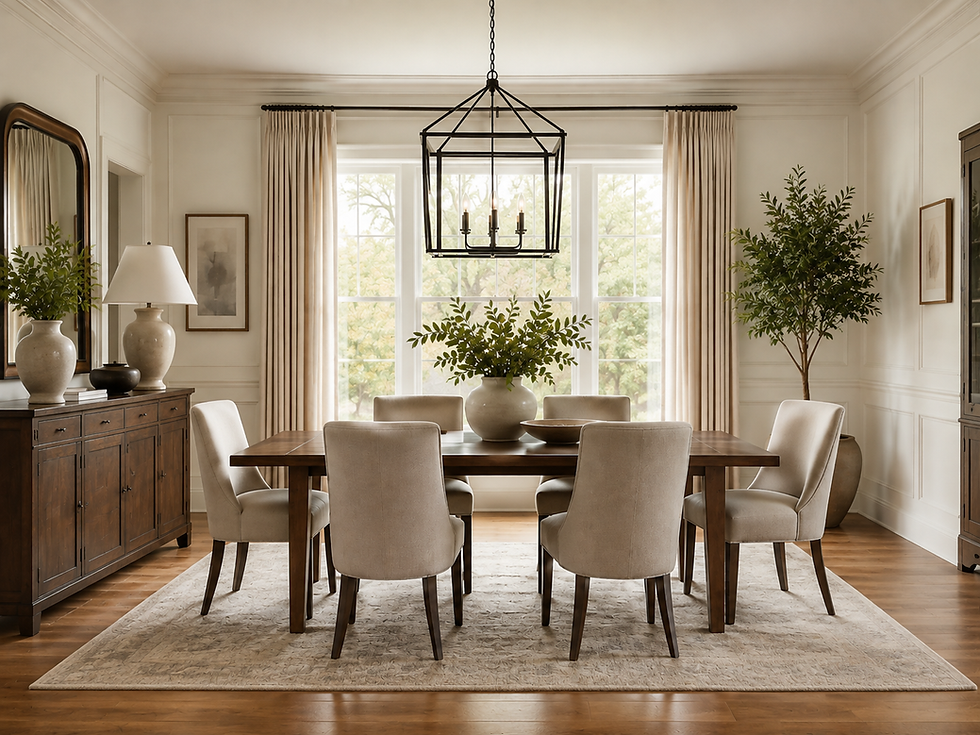
Designing a home that looks beautiful and works well for daily life can be challenging. Many people struggle to balance style with practicality. Yet, a well-planned space can improve comfort, efficiency, and mood. This post explores how to create rooms that are both functional and visually pleasing, offering practical tips and examples to inspire your next home project.
Understanding the Balance Between Function and Style
A space that looks good but doesn’t serve your needs can quickly become frustrating. On the other hand, a purely functional room may feel cold or uninspiring. The key is to find harmony between the two.
Start by identifying how you use the space. Ask yourself:


What activities happen here?
How much storage do I need?
Who uses this room and how often?
Once you understand the purpose, you can choose design elements that support those needs while adding personality. For example, a family room might require durable seating and plenty of storage, but also cozy textures and warm colors to create a welcoming atmosphere.
Planning Your Layout for Efficiency
The layout is the foundation of a functional space. Poor flow or cramped arrangements can make even the most stylish room feel uncomfortable.
Consider these layout tips:

Create clear pathways to avoid obstacles and allow easy movement.
Group related items together, such as placing a reading lamp near a chair.
Use multi-purpose furniture like ottomans with storage or fold-out desks.
Maximize natural light by positioning seating near windows.
For example, in a kitchen, placing the sink, stove, and refrigerator in a triangle shape reduces steps and improves workflow. In a bedroom, keep the bed accessible from both sides and avoid blocking windows.
Choosing Materials That Combine Beauty and Durability
Materials affect both the look and longevity of your space. Selecting the right ones ensures your home stays attractive and easy to maintain.
Here are some material ideas:
Hardwood floors offer warmth and last for decades with proper care.
Quartz countertops resist stains and scratches while looking sleek.
Washable paint finishes keep walls fresh in high-traffic areas.
Textiles like linen or cotton add softness and are easy to clean.
For example, a living room with a durable wool rug and leather sofa can handle daily use while feeling inviting. In bathrooms, porcelain tiles provide a clean, polished look and resist moisture damage.
Adding Personal Touches Without Cluttering
Personal items make a house feel like home, but too many can overwhelm the space and reduce functionality.
Try these strategies:
Display a few meaningful pieces, such as family photos or artwork.
Use open shelves to showcase collections while keeping surfaces clear.
Rotate decor seasonally to keep the room fresh without adding clutter.
Incorporate plants for natural beauty and improved air quality.
For instance, a minimalist shelf with a small group of favorite books and a framed photo can add character without crowding a room. A single large painting can serve as a focal point instead of many small items.
Lighting That Enhances Both Use and Ambiance

Good lighting supports tasks and sets the mood. Layering different types of light helps achieve this balance.
Consider:
Ambient lighting for overall illumination, such as ceiling fixtures.
Task lighting focused on specific activities, like reading lamps or under-cabinet lights.
Accent lighting to highlight artwork or architectural features.
For example, a kitchen with bright overhead lights and adjustable under-cabinet LEDs makes cooking easier. In a living room, dimmable lamps create a cozy atmosphere for relaxing or entertaining.
Practical Storage Solutions That Blend With Design

Storage is essential for keeping spaces tidy and functional. When done well, it can also enhance the room’s style.
Ideas include:
Built-in shelves or cabinets that match the room’s design.
Furniture with hidden storage compartments.
Stylish baskets or boxes for organizing smaller items.
Vertical storage to use wall space efficiently.
For example, a bedroom with a bed frame that includes drawers underneath provides extra storage without taking up more floor space. In a home office, floating shelves keep supplies accessible but off the desk.
Final Thoughts on Creating Functional and Beautiful Spaces

Designing your home to be both functional and aesthetically appealing requires thoughtful planning and attention to detail. By focusing on how you use each room, choosing the right layout, materials, lighting, and storage, you can create spaces that support your lifestyle and reflect your taste.
I hope this post helps you and gives you some insight into the creative process of a design team.

Sincerely,
Trish Whitsell

Comments