
Future Trends in Interior Design NWA You Can Expect in 2026

Updated: Jul 2
Interior design is evolving rapidly, shaped by new technologies, environmental concerns, and changing lifestyles. There is a quiet shift happening in design right now and it's not about chasing trends. As we approach 2026, several clear designs are emerging that will redefine how we create and experience living spaces. These designs focus on sustainability, personalization, and the seamless integration of technology, all while maintaining comfort and style.
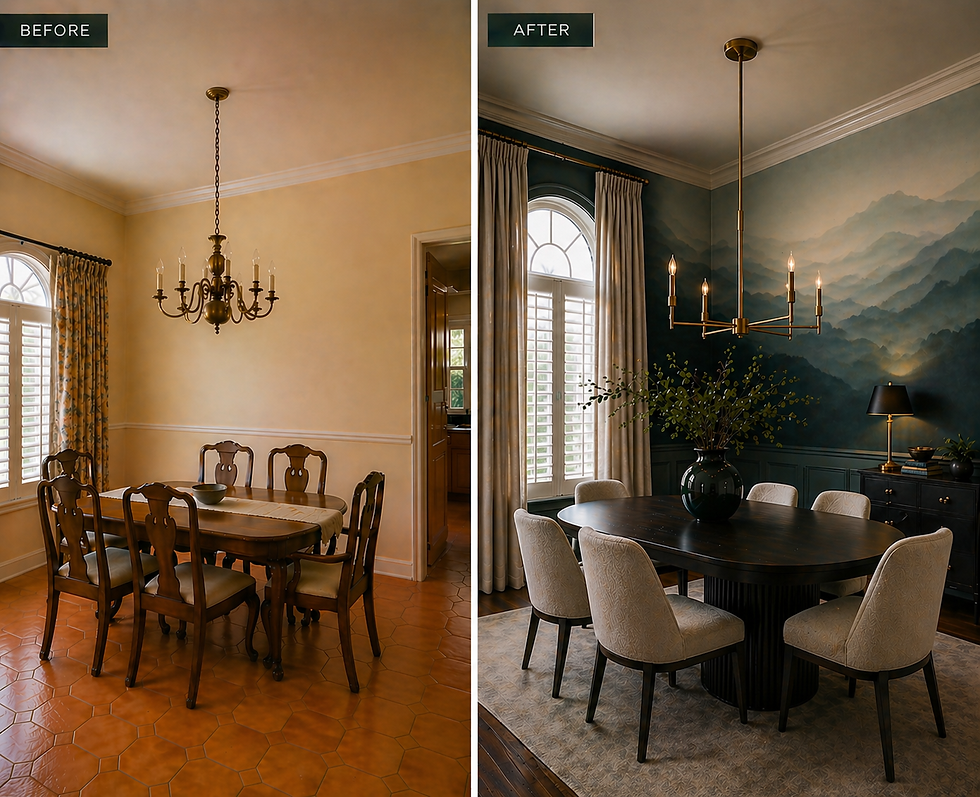
Embracing Sustainability in Every Detail
Sustainability will no longer be an option but a necessity in interior design. Homeowners and designers alike are prioritizing eco-friendly materials and energy-efficient solutions. Expect to see:
Natural and recycled materials such as bamboo, reclaimed wood, and recycled metals becoming standard choices.
Low-impact finishes like water-based paints and natural oils replacing traditional chemical-heavy products.
Energy-efficient lighting with smart LED systems that adjust brightness and color temperature based on natural light and time of day.
Indoor plants integrated into designs not just for decoration but for improving air quality and creating a calming environment.
For example, a living room might feature a reclaimed wood coffee table paired with organic cotton upholstery and a smart lighting system that mimics daylight patterns. These choices reduce environmental impact while enhancing comfort.
Personalization Through Technology
Technology will play a bigger role in making interiors more personalized and adaptable. Smart homes are evolving beyond simple automation to environments that learn and respond to individual preferences.
AI-powered design tools will help homeowners visualize changes in real time, from color schemes to furniture placement.
Customizable smart furniture that adjusts ergonomics or transforms for multiple uses will become more common.
Voice and gesture controls will allow seamless interaction with lighting, temperature, and entertainment systems without interrupting daily activities.
Imagine a bedroom where the bed adjusts firmness based on your sleep patterns, and the lighting shifts to promote relaxation as you wind down. These innovations will make homes more responsive to personal

Blurring Boundaries Between Indoor and Outdoor Spaces
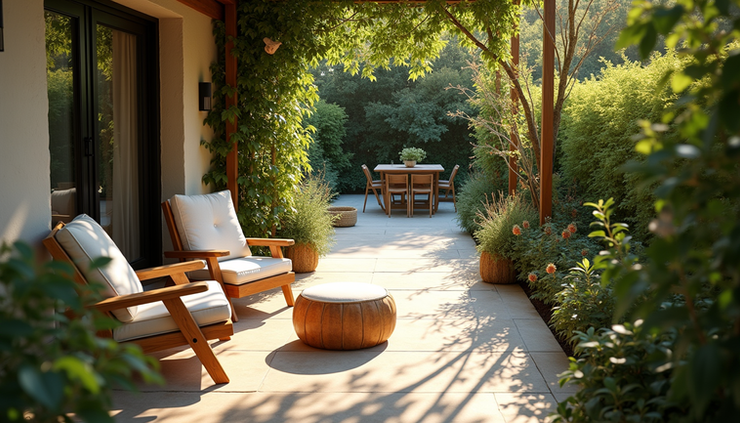
Nature is no longe an accent, it's the foundation. Biophilic design isn't a trend anymore; it's becoming the standard. The desire to connect with nature will influence design choices, leading to a stronger integration of indoor and outdoor living areas. This trend supports well-being and expands usable space.
Large sliding or folding glass doors will create fluid transitions between rooms and patios or gardens.
Outdoor rooms equipped with weather-resistant furniture, lighting, and heating will become common.
Natural textures and colors will be used indoors to echo the outdoor environment, creating harmony and continuity.
For example, a dining area might open directly onto a deck with a fire pit and comfortable seating, encouraging year-round outdoor living. Inside, stone or wood accents will reflect the natural surroundings.
Focus on Wellness and Comfort
Wellness will be a central theme in interior design, with spaces crafted to support mental and physical health. This means more than just aesthetics; it involves creating environments that promote relaxation, focus, and rejuvenation.
Quiet zones or meditation corners with soft lighting and soundproofing will be integrated into homes.
Ergonomic furniture designed to reduce strain and improve posture will be prioritized.
Air and water purification systems will be standard to ensure a healthy indoor environment.
Biophilic design elements, such as natural light, plants, and water features, will enhance mood and reduce stress.
A home office might include a standing desk with adjustable height, surrounded by plants and natural light, helping to maintain energy and focus throughout the day.
Color and Texture Trends
Colors in 2026 will lean toward earthy and muted tones, reflecting the desire for calm and connection to nature. Textures will be tactile and layered to add depth and interest.
Warm neutrals like beige, terracotta, and soft greens will dominate palettes. Also, deep greens, moody blues, and other clay tones. All earthy palettes that feel rooted in nature.
Textured fabrics such as boucle, velvet, and woven materials will add comfort and visual appeal.
Mixed materials combining metal, wood, and stone will create balanced contrasts.
Designers will use these elements to create spaces that feel grounded and inviting, encouraging relaxation and social connection.
Final Thought
Design in 2026 is less about impressing other and more about creating spaces that feel grounding, beautiful and deeply personal. It's thoughtful. it's layered. It's intentional.
AND honestly? That's where the magic is.

Sincerely,
Trish Whitsell


Comments