
Renovation Wise: Avoid These 7 Costly Design Mistakes

Updated: Feb 12
Renovating Your Home: Avoid These Common Design Mistakes
Renovating your home can be exciting, but it often comes with unexpected expenses. Many homeowners face budget overruns due to design mistakes that seem small at first but end up costing a lot more. Knowing what to avoid before you start can save you time, stress, and money. This guide highlights seven common design errors that can inflate your renovation costs and offers practical advice to keep your project on track.

1. Ignoring the Flow of Space
One of the biggest design mistakes is neglecting how people will move through the space. A kitchen that blocks access to the dining area or a bathroom door that opens into a narrow hallway can make your home feel cramped and awkward. This often leads to costly changes later.
Tip: Sketch a simple floor plan and walk through it mentally. Ensure doorways, hallways, and furniture placement allow easy movement. If possible, consult a professional to optimize the layout.
2. Choosing Style Over Function

It’s tempting to pick trendy materials or flashy fixtures, but style should never come at the expense of function. For example, installing a beautiful but slippery tile in a bathroom or a countertop material that stains easily will cause problems and extra costs down the line.
Tip: Prioritize durable, easy-to-maintain materials in high-use areas. Consider how your family uses each room and select finishes that fit those needs.
3. Underestimating Lighting Needs
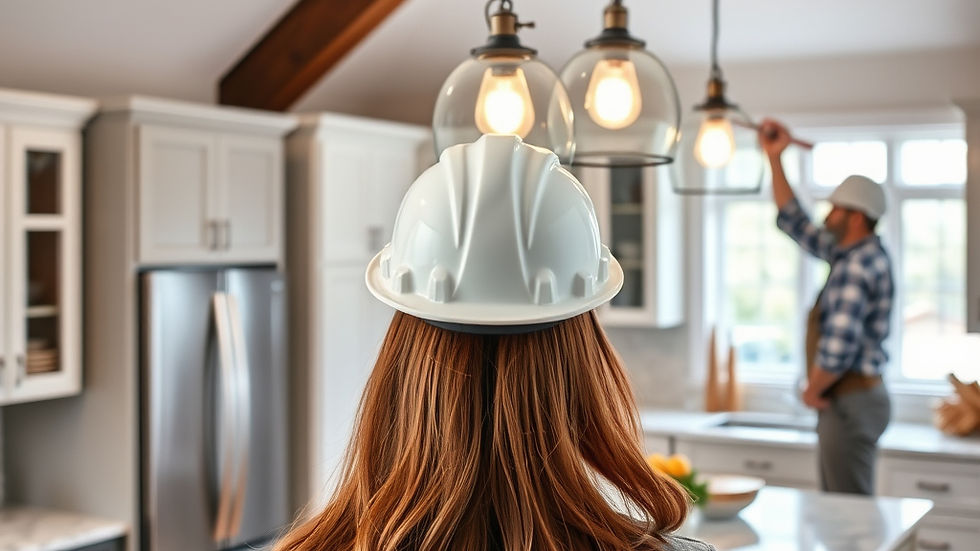
Poor lighting can ruin even the best design. Many homeowners focus on overhead lights and forget about task lighting or natural light. This can lead to installing additional fixtures later, increasing costs.
Tip: Plan for layered lighting: ambient, task, and accent. Use windows and skylights to bring in natural light. Think about how each room will be used at different times of day.
4. Skipping Professional Advice
Trying to save money by skipping architects or designers can backfire. Professionals help spot potential issues early and suggest solutions that fit your budget and style. Without their input, you might make costly mistakes or miss out on better design options.
Tip: Even if you want to do most of the work yourself, invest in at least one consultation with a design expert. Their insights can prevent expensive changes later.
5. Overlooking Storage Needs

Lack of storage is a common regret after renovation. Without enough cabinets, closets, or shelves, your space can quickly become cluttered, forcing you to add storage solutions later at extra cost.
Tip: Assess your storage needs honestly. Include built-in options where possible to save space and keep the design clean. Think about seasonal items, cleaning supplies, and everyday essentials.
6. Not Planning for Future Changes
Homes evolve as families grow or lifestyles change. Designing a space that only fits your current needs can lead to expensive remodels soon after completion.
Tip: Build flexibility into your design. For example, use removable partitions, multi-purpose rooms, or plumbing setups that allow easy bathroom or kitchen expansions.

7. Ignoring Building Codes and Permits

Skipping permits or ignoring local building codes might save money upfront but can cause major problems. Unapproved work can lead to fines, forced demolition, or difficulty selling your home later.
Tip: Research local regulations before starting. Work with licensed contractors who understand the rules. This ensures your renovation is safe, legal, and adds value.
Final Thoughts: Save Time and Money by Simply Hiring an Interior Designer

Why Hire an Interior Designer?
1. Interior Designers See Problems Before They Happen.
From wrong measurements to poor layout flow, to materials that won't age well, they help you avoid choices that cost more to fix later than to do right the first time.
2. They Turn Ideas into a Cohesive Vision.
Most homeowners have great inspiration but struggle to make everything work together. A designer connects the dots so your renovation feels intentional, balanced, and finished—not like a collection of random upgrades.
3. They Protect Your Peace and Your Time.
Renovations are stressful. Designers manage details, coordinate decisions, and streamline the process so you can enjoy the transformation instead of being overwhelmed by it.
I hope this post inspires you and helps you!

Sincerely,
Trish Whitsell


Comments