
The Hidden Power of Texture in Elevating Luxury Design
- Trish Whitsell

- Mar 5
- 3 min read
Luxury design often captures attention through striking visuals and elegant forms. Yet, one element quietly shapes the experience of luxury more than many realize: texture. Texture adds depth, richness, and a tactile dimension that transforms a space or object from ordinary to extraordinary. Understanding how texture works in luxury design reveals why it is the secret ingredient that elevates style and sophistication.
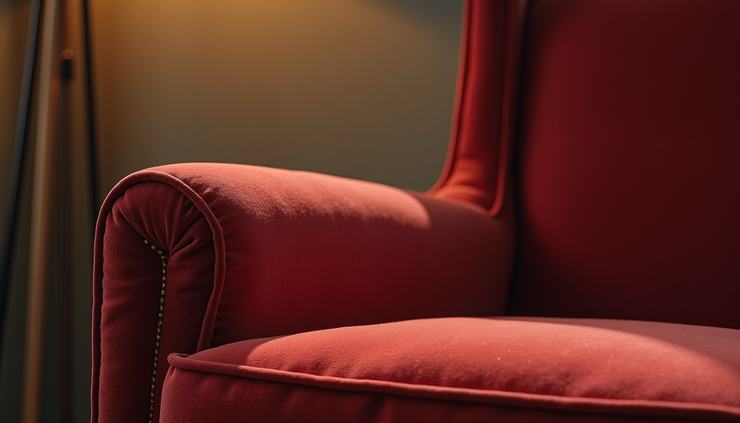
How Texture Creates a Sense of Luxury
Texture appeals to the sense of touch, even when we only see it. It influences how we perceive quality and comfort. Smooth, soft, or richly patterned surfaces invite interaction and suggest care in craftsmanship. In luxury design, texture is never an afterthought; it is a deliberate choice that enhances the overall aesthetic and emotional impact.
For example, a silk curtain with a subtle sheen feels more luxurious than a plain cotton one. The tactile contrast between a polished marble countertop and a rough-hewn wooden table adds visual interest and complexity. These choices signal exclusivity and attention to detail, qualities that define luxury.
Using Texture to Add Depth and Contrast
Texture introduces layers to design, preventing spaces from feeling flat or one-dimensional. Combining different textures creates contrast that draws the eye and encourages exploration. Designers often mix materials such as:
Soft fabrics like velvet, silk, or cashmere
Natural elements such as wood grain, stone, or leather
Metal finishes including brushed brass or polished chrome
This mix creates a dynamic environment where each surface tells part of the story. For instance, pairing a smooth leather sofa with a chunky knit throw adds warmth and invites touch. The contrast between cold metal fixtures and warm wooden floors balances the room’s atmosphere.
Texture as a Storyteller in Design
Texture can communicate history, culture, and craftsmanship. Handwoven rugs, embossed leather, or carved wood panels carry stories of tradition and skill. These elements connect the user to the origins of the materials and the artisans behind them.
Consider a luxury hotel lobby featuring hand-painted wallpaper with a raised pattern. The texture not only enhances the visual appeal but also reflects the brand’s commitment to artistry and heritage. This storytelling through texture creates a richer, more meaningful experience for guests.

Practical Tips for Incorporating Texture in Luxury Spaces
To use texture effectively in luxury design, consider these practical approaches:
Layer textures thoughtfully: Combine smooth, rough, soft, and hard surfaces to create balance. Avoid overwhelming the space with too many competing textures.
Focus on quality materials: Choose fabrics and finishes that feel substantial and durable. High-quality texture often signals luxury more than flashy design.
Use texture to highlight key features: Apply textured wallpaper, rugs, or upholstery to draw attention to focal points like seating areas or accent walls.
Consider lighting: Proper lighting enhances texture by casting shadows and highlighting surface details. Experiment with natural and artificial light to bring textures to life.
Incorporate natural elements: Wood, stone, and plants add organic texture that complements refined materials and soft fabrics.
Texture in Different Luxury Design Styles
Texture plays a unique role depending on the style of luxury design:
Modern luxury often uses sleek, smooth textures like glass, polished metals, and glossy surfaces combined with soft textiles for comfort.
Classic luxury embraces rich textures such as velvet, brocade, and carved wood to evoke timeless elegance.
Rustic luxury highlights natural textures like raw wood, stone, and woven fibers to create a warm, inviting atmosphere.
Minimalist luxury relies on subtle texture contrasts, such as matte versus shiny finishes, to add interest without clutter.
Each style uses texture to reinforce its identity and enhance the sensory experience.

The Lasting Impact of Texture on Luxury Design
Texture shapes how people feel in a space or when interacting with an object. It creates a sense of richness that goes beyond visual appeal. By engaging the sense of touch, texture makes luxury design more immersive and memorable.
When designers prioritize texture, they invite users to experience luxury in a deeper way. This approach transforms spaces and products into something truly special, where every detail matters.
Luxury design without texture risks feeling flat and impersonal. Texture adds soul, warmth, and authenticity. It is the hidden power that turns good design into great design. I hope this helps you understand why designers add layers and textures to each design.
Sincerely,
Trish Whitsell


Comments