
Transform Your Home with Stunning Murals
- Trish Whitsell

- Mar 10
- 3 min read
Updated: May 24
Why Choose Murals for Entryway Ceilings?

Entryways often get overlooked in home decoration, yet they set the tone for the entire house. Painting a mural on the ceiling of your entryway adds an unexpected artistic touch that guests will notice immediately. Unlike traditional wall art, ceiling murals create a sense of depth and dimension, making the space feel larger and more inviting.
Benefits of Entryway Ceiling Murals
Unique visual impact: Ceilings are blank canvases rarely used for art, so murals here stand out.
Enhance natural light: Light colors and reflective designs can brighten the space.
Personal expression: Choose themes that reflect your style, from nature scenes to abstract patterns.
Hide imperfections: Murals can mask ceiling flaws like cracks or uneven textures.
For example, a sky-themed mural with soft clouds and birds can give the entryway an airy, open feel. Alternatively, geometric patterns in metallic tones add a modern, sophisticated vibe.
Murals on Bedroom Walls for a Personal Retreat
Bedrooms are private spaces where comfort and relaxation matter most. Murals on bedroom walls can create a calming environment or energize the room depending on the design and colors you select.
Ideas for Bedroom Wall Murals
Nature-inspired scenes: Forests, mountains, or ocean waves bring tranquility.
Abstract art: Soft brush strokes or bold shapes add personality without overwhelming.
Cultural motifs: Patterns inspired by different cultures add depth and storytelling.
Custom portraits or quotes: Personalize your space with meaningful images or words.
A mural behind the bed acts as a natural headboard, drawing attention and anchoring the room’s design. For instance, a mural of a serene forest in muted greens and browns can help reduce stress and promote restful sleep.
Living Room Walls as a Canvas for Creativity
The living room is often the heart of the home, where family gathers and guests are entertained. Murals here can reflect your lifestyle and spark conversation.
How to Choose a Living Room Mural
Match the room’s style: Whether your décor is minimalist, rustic, or eclectic, the mural should complement it.
Consider scale and placement: Large murals work well on main walls, while smaller murals can accent corners or niches.
Use color strategically: Bright colors energize, while neutral tones create a cozy atmosphere.
Incorporate texture: Some murals use textured paint or mixed media for added interest.
For example, a mural depicting a city skyline in monochrome tones can add an urban edge to a modern living room. Alternatively, a mural of blooming flowers in warm colors can make the space feel inviting and lively.


Tips for Planning and Installing Murals
Murals require planning to ensure they enhance your space effectively. Here are some practical tips:
Choose the right artist or DIY approach: Professional muralists bring expertise, but DIY kits and stencils can work for simpler designs.
Prepare the surface: Clean, smooth walls or ceilings ensure the paint adheres well.
Select durable paint: Use paints designed for interiors that resist fading and wear.
Consider lighting: Proper lighting highlights the mural’s details and colors.
Think about maintenance: Murals in high-traffic areas may need occasional touch-ups.
If you want a mural that lasts, invest time in preparation and quality materials. For example, sealing the mural with a clear protective coat can prevent damage from cleaning or humidity.
Combining Murals with Other Design Elements
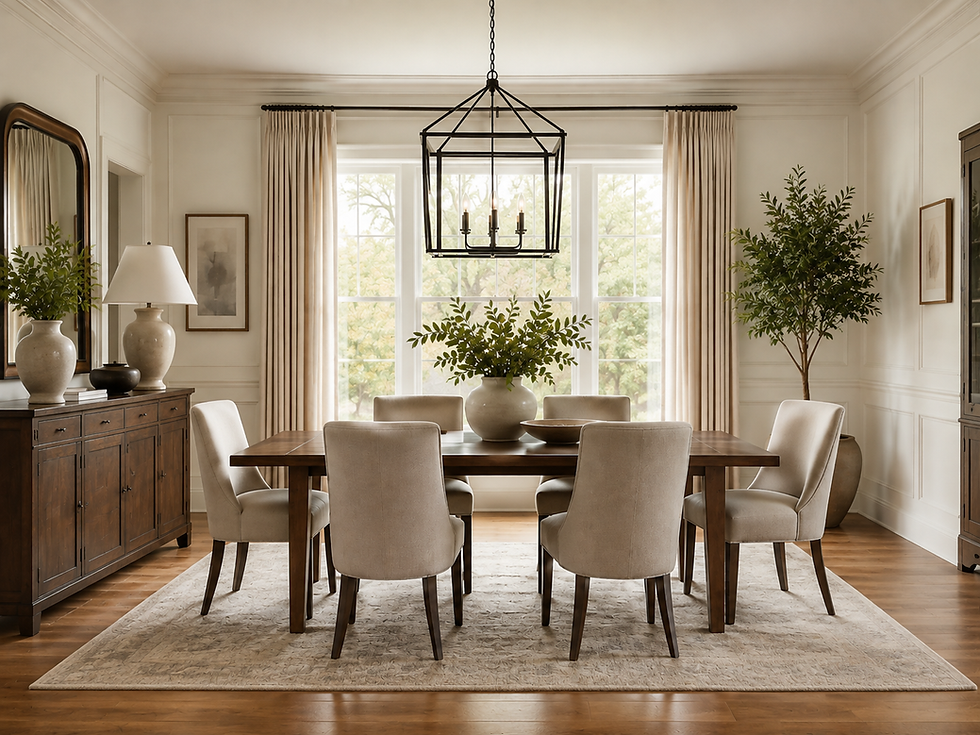
Murals don’t have to stand alone. Pairing them with complementary décor can create a cohesive look:
Furniture: Choose pieces that echo the mural’s colors or themes.
Textiles: Rugs, curtains, and cushions can enhance the mural’s mood.
Lighting fixtures: Spotlights or pendant lamps can draw attention to the artwork.
Plants and accessories: Natural elements soften the space and add life.
For instance, a mural of tropical leaves in the living room pairs beautifully with rattan furniture and green plants, creating a fresh, natural vibe.

Final Thoughts on Using Murals to Transform Your Home
Murals on entryway ceilings and living spaces offer a creative way to personalize your home. They turn ordinary walls and ceilings into works of art that reflect your taste and enhance your environment. Whether you choose a bold statement or a subtle design, murals bring character and charm that standard paint or wallpaper cannot match.
Embrace the Art of Murals
So, why not take the plunge? Murals can be a fantastic way to express yourself and create a unique atmosphere in your home. Whether you're dreaming of a whimsical forest or a chic urban skyline, the possibilities are endless.
I hope you found this post not only interesting but also educational. I will be creating a ceiling mural next week, and we will post some videos of the creation later. In the meantime, have yourself a Beautifully Done rest of your week!



Comments