
Is the Gry Farmhouse Trend Dying Out in Modern Interior Design?

The farmhouse style has been a dominant force in interior design for years, celebrated for its cozy, rustic charm and timeless appeal. Among its many variations, the Gry farmhouse trend carved out a unique niche, blending traditional farmhouse elements with a modern twist. But recently, signs suggest this trend might be losing its momentum. Is the Gry farmhouse style fading from modern interiors? This post explores the reasons behind this shift, what’s replacing it, and how homeowners and designers are adapting.

What Made the Gry Farmhouse Trend Popular?
The Gry farmhouse style gained popularity because it struck a balance between rustic warmth and contemporary simplicity. It typically features:
Neutral color palettes with shades of gray, white, and beige
Natural materials like reclaimed wood, stone, and metal accents
Simple, functional furniture with clean lines but a handcrafted feel
Soft textiles such as linen and cotton in muted tones
Vintage-inspired decor that adds character without clutter
This style appealed to people wanting a home that felt inviting and lived-in but also fresh and uncluttered. It fit well with the broader farmhouse trend but offered a more refined, less country-cottage look.
Signs the Gry Farmhouse Trend Is Losing Its Appeal
Several factors indicate the Gry farmhouse trend is no longer the go-to choice for many interior designers and homeowners:
1. Shift Toward More Color and Personality

Modern interiors are embracing bolder colors and more personalized decor. The Gry farmhouse’s muted, neutral palette can feel too safe or bland for those seeking a distinctive style. People want spaces that reflect their individuality, often through vibrant accents, patterned textiles, or statement furniture pieces.
2. Desire for Minimalism and Clean Lines
While Gry farmhouse blends rustic and modern elements, it still leans on traditional farmhouse features like distressed wood and vintage accessories. Minimalism, with its emphasis on sleek surfaces and uncluttered spaces, is gaining ground. This trend favors smooth finishes, monochrome schemes, and fewer decorative items, contrasting with the layered textures typical of Gry farmhouse.
3. Growing Interest in Sustainable and Natural Design
Sustainability is influencing design choices more than ever. Although Gry farmhouse uses natural materials, newer trends focus on eco-friendly, locally sourced, and often more innovative materials. For example, bamboo, cork, and recycled composites are becoming popular, offering fresh alternatives to traditional wood and stone.
4. Influence of Global and Eclectic Styles

Global design influences, such as Japandi (Japanese-Scandinavian fusion), bohemian, and mid-century modern, are inspiring homeowners to mix styles and cultures. These eclectic approaches often reject the uniformity of the Gry farmhouse look in favor of more diverse textures, colors, and forms.
What’s Replacing the Gry Farmhouse Trend?
As the Gry farmhouse style declines, several design trends are rising in popularity:
Modern Rustic
This style keeps the warmth of rustic design but pairs it with more contemporary elements. It uses cleaner lines, less distressing on wood, and integrates modern technology and lighting. The color palette is broader, including warmer earth tones and deeper hues.
Japandi

Japandi combines Scandinavian minimalism with Japanese simplicity. It emphasizes natural materials, functional furniture, and calm, muted colors but with a more refined, elegant feel than Gry farmhouse. This style appeals to those who want serenity and balance in their homes.
Industrial Chic
Industrial style uses raw materials like exposed brick, metal pipes, and concrete. It’s less about warmth and more about urban edge and authenticity. This trend attracts people who prefer bold, statement-making interiors over cozy farmhouse vibes.
Biophilic Design
Biophilic design focuses on connecting interiors with nature through plants, natural light, and organic materials. While Gry farmhouse incorporates natural elements, biophilic design takes it further by integrating living walls, indoor gardens, and large windows that blur indoor-outdoor boundaries.
How to Adapt If You Love Gry Farmhouse Style
If you still love the Gry farmhouse look but want to keep your home feeling current, consider these tips:
Add pops of color through cushions, rugs, or artwork to break up the neutral tones.
Mix in modern furniture with clean lines to balance rustic pieces.
Incorporate sustainable materials like bamboo or recycled glass to update the natural feel.
Use plants and natural light to bring freshness and life to your space.
Limit vintage accessories to avoid clutter and maintain a streamlined look.
Examples of Gry Farmhouse Evolution in Real Homes
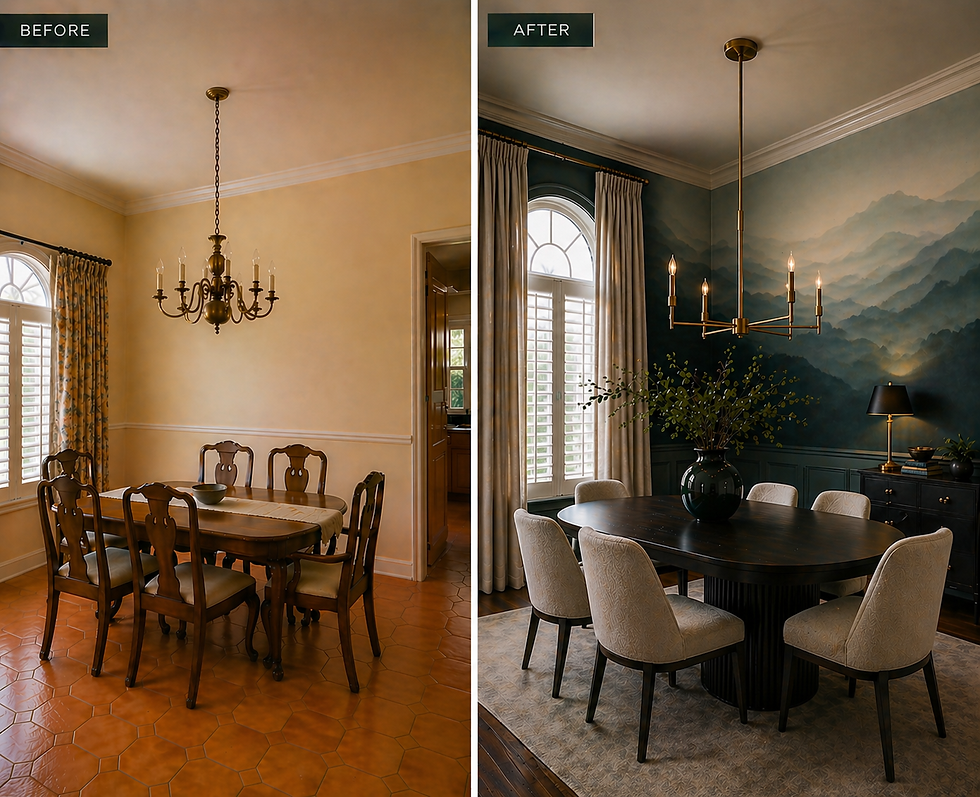
A living room with a Gry farmhouse foundation of gray walls and wooden beams now features a bold navy sofa and brass light fixtures, blending old and new.
A kitchen retains the farmhouse sink and open shelving but swaps out distressed cabinets for sleek matte finishes and adds greenery for a biophilic touch.
A bedroom uses linen bedding and rustic nightstands but pairs them with minimalist art and geometric rugs to add personality.
These examples show how the Gry farmhouse style can evolve rather than disappear, adapting to changing tastes without losing its core appeal.

Trish Whitsell


Comments