
The Role of Mathematics in Creating Stunning Interior Designs
- Trish Whitsell

- Apr 8
- 4 min read
Mathematics and interior design might seem like two very different fields. Yet, the best interior designs often rely on mathematical principles to create spaces that feel balanced, harmonious, and visually appealing. Understanding how math shapes design can help anyone appreciate the subtle ways it influences the rooms we live and work in.

How Proportion Shapes Interior Spaces
One of the most important mathematical concepts in interior design is proportion. Proportion refers to the relationship between the sizes of different elements in a space. When these relationships follow certain ratios, the room feels naturally balanced and comfortable.
The golden ratio, approximately 1.618, is a classic example. This ratio has been used in art and architecture for centuries because it creates a sense of harmony. In interior design, it can guide the size of furniture relative to the room or the placement of decorative elements. The Golden Ratio is found in
Nature
Art
Architecture
and Interior Design.
For example, a sofa might be sized so that its length to height follows the golden ratio. Similarly, the height of a coffee table compared to the sofa can use this ratio to feel just right. Designers also use this ratio when dividing wall space for artwork or shelving, ensuring the layout feels pleasing to the eye.
Geometry and Patterns in Design
Geometry plays a key role in creating patterns and shapes that add interest to interiors. From floor tiles to wallpaper, geometric shapes bring structure and rhythm to a room.
Shapes like squares, triangles, and hexagons can be combined in repeating patterns that create visual texture. Designers often use symmetry and tessellation, where shapes fit together without gaps, to create seamless designs.
For instance, a hexagonal tile floor can add a modern yet timeless look to a kitchen or bathroom. The repetition of shapes creates a sense of order, which can make a space feel calm and organized.
Geometry also helps in planning furniture layouts. Arranging pieces in geometric patterns, such as circular seating or rectangular groupings, can improve flow and encourage social interaction.
Using Scale and Measurement to Maximize Space
Accurate measurement and scale are essential in interior design. Designers use math to ensure furniture fits well within a room and that there is enough space for movement.
For example, a hallway should have at least 36 inches of clearance for comfortable walking. Kitchen work triangles, which connect the sink, stove, and refrigerator, are designed using specific measurements to maximize efficiency.
Scaling furniture to the size of the room prevents overcrowding or emptiness. A large sectional sofa might overwhelm a small living room, while tiny chairs can feel lost in a spacious area.
Using grids and scaled drawings, designers can visualize how different pieces will fit together before making decisions. This reduces costly mistakes and helps create functional, beautiful spaces.
Designers follow guidelines like:
18 inches between sofa and coffee table
36 inches for walkways
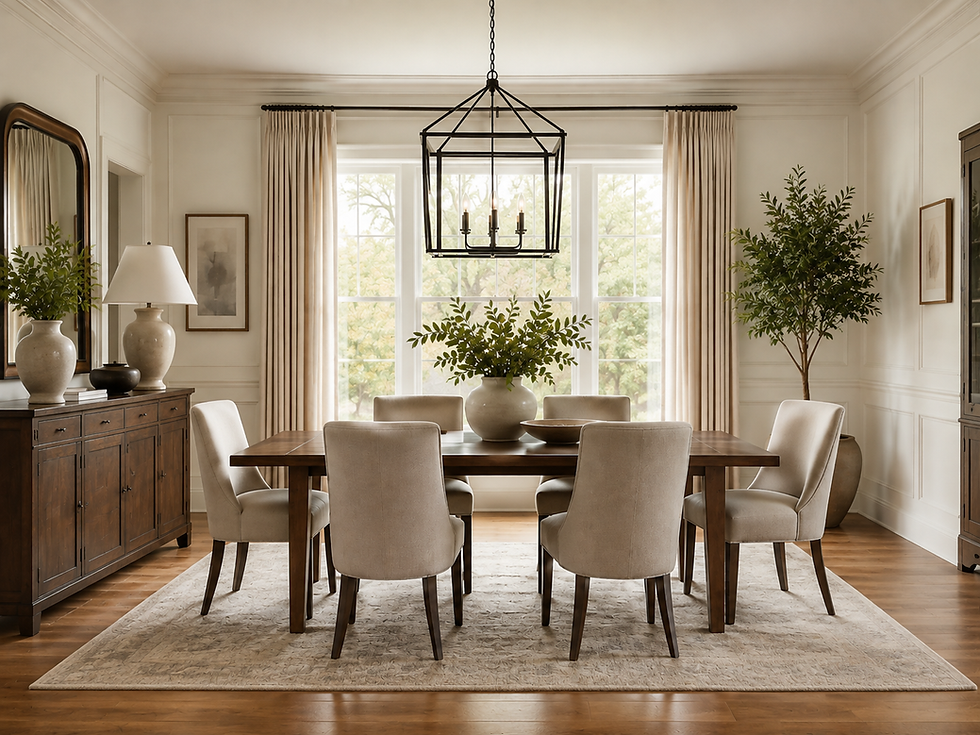
24 inches minimum around dining tables
These numbers are arbitrary, they are based on human movement and comfort. I seldom tell clients these numbers, simply because I don't want them to get stuck trying to "obey the rules". I design outside the box most of the time, and I feel the best designers learn to.

The Role of Symmetry and Balance
Symmetry is a powerful tool in interior design. It creates a sense of order and stability by mirroring elements on either side of a central point.
For example, placing two identical lamps on either side of a sofa or matching chairs across a coffee table creates balance. This symmetry makes spaces feel calm and inviting.
Balance doesn’t always mean perfect symmetry. Designers also use asymmetrical balance, where different objects have equal visual weight. Math helps calculate this balance by considering size, color, and placement.
Using balance effectively can highlight focal points, such as a fireplace or artwork, and guide the eye through the room.

For color the popular 60-30-10 rule is a formula that is followed most of the time.
60% - dominate color
30% -secondary color
10% - accent
Again, I seldom share this rule of color proportions because clients get stuck on the formula and make it more of an absolute rule and that at times interferes with my design plan that I know will be better for the space and them.
Lighting and Angles
Mathematics also influences how lighting is used in interior design. Angles of light and shadow affect the mood and perception of space.
Designers calculate angles to position light fixtures so they highlight architectural features or create desired effects. For example, angled wall sconces can cast light upward and downward, adding depth.
Natural light is also considered mathematically. The size and placement of windows are planned to maximize daylight while minimizing glare or heat loss.
Bringing It All Together
The best interior designs combine these mathematical principles seamlessly. Proportion, geometry, scale, symmetry, and lighting work together to create spaces that feel right.
Understanding these concepts can help homeowners and designers make better choices. Whether selecting furniture, arranging rooms, or choosing patterns, math provides a foundation for decisions that improve comfort and beauty.

Design is not just about aesthetics; it is about creating spaces that function well and feel good to be in. Mathematics offers a clear, practical way to achieve this. From the placement of furniture to the flow of a room, math quietly shapes everything. The truth is-design that feels right is mathematically right as well.

Where Creativity Meets Intelligence
Interior design if often underestimated as purely aesthetic, but in reality, it's a blend of
Art- Vision, style, emotion
Math- structure, balance, precision.
The best designers don't just see a space...they calculate it, feel it, and refine it. Because design isn't accidental. It's measured. Its intentional. Its mathematical. When you combine numbers with creativity...you don't just design a room, you design how people feel inside it.
I hope this brought you inspiration, insight, and a fresh perspective.

Sincerely,
Trish Whitsell
P.S. Life is More Fun Beautifully Done

Comments